Today’s Daily Chicagoan is brought to you, in part, by:
|
|
|
|
|
It’s a new week and soon it’ll be April. Ease into the last days of March with these stories from WTTW News.
|
|
|
|
|
|
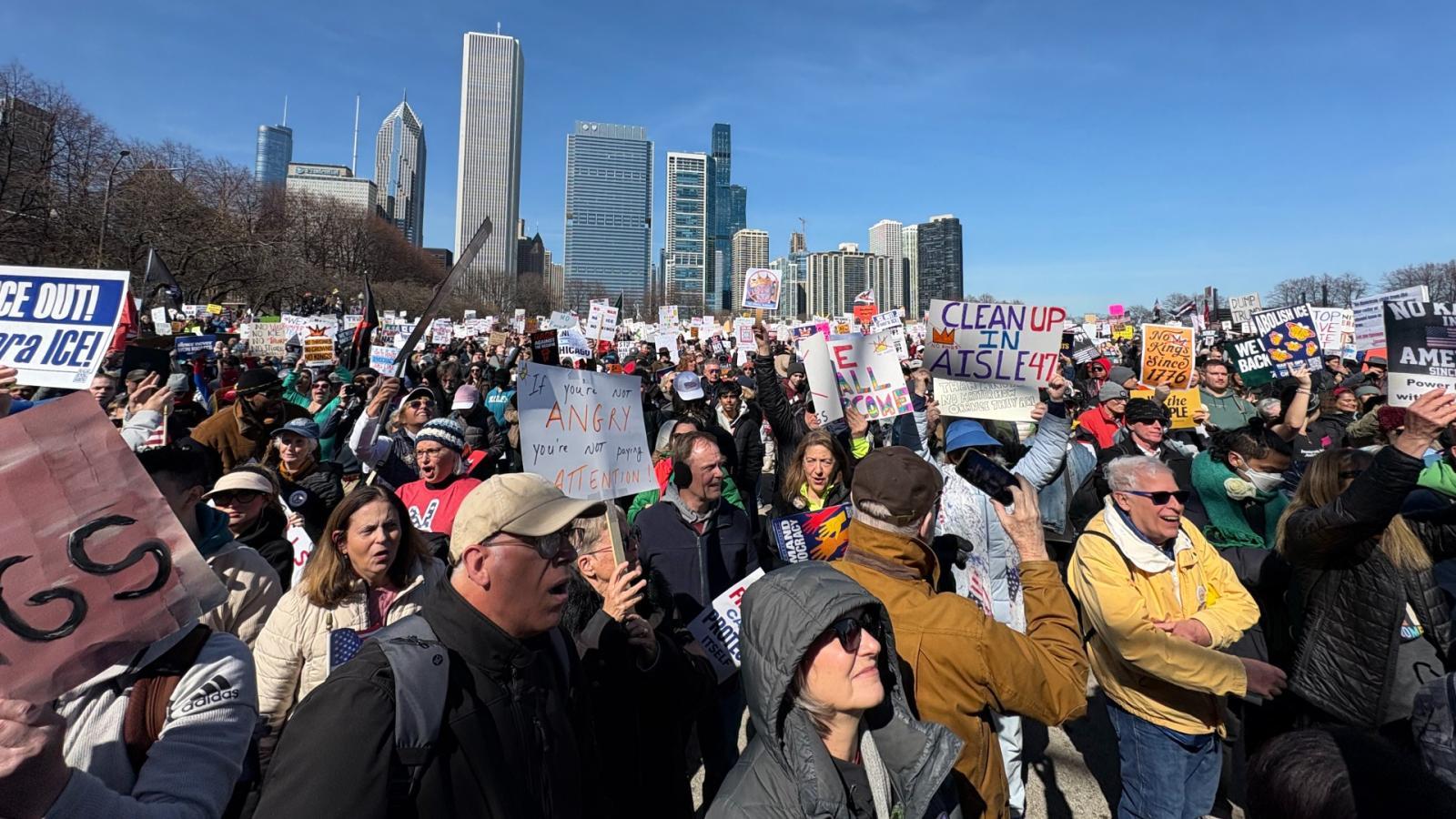 |
Thousands gather in Chicago’s Grant Park for a rally and march as part of the national “No Kings” protest on March 28, 2026. (Joel Ortiz / WTTW News)
|
Tens of thousands of people across the Chicago area joined “No Kings” protests Saturday as part of a nationwide day of demonstrations.
In downtown Chicago, a rally drew a large crowd to Grant Park before a march made its way through the city’s streets.
Luis Gomez, an ACLU Illinois staff member, said before the gathering that disenchantment with ICE was animating the protest.
“We want to protect our immigrant communities, we want ICE out of our cities,” he said. Gomez added that the protest serves to affirm the First Amendment and the right to protest.
Saturday’s events were expected to include millions of protesters in more than 3,000 planned demonstrations across the U.S., including numerous events in Chicago and the surrounding suburbs.
The White House has dismissed the rallies with spokesperson Abigail Jackson describing the protests as the product of “leftist funding networks” with little real public support.
What happened?
In front of the Petrillo Music Shell in Grant Park, a large crowd of protesters gathered for the afternoon rally.
Representatives from the dozens of local organizations behind the rally gathered on the stage, including Indivisible Chicago, the Sierra Club, ACLU Illinois and Planned Parenthood Illinois.
Sen. Dick Durbin, Lt. Gov. Juliana Stratton, U.S. Rep. Chuy Garcia and Evanston Mayor Daniel Biss were among the many local officials gathered.
In his three-minute speech, Chicago Mayor Brandon Johnson called for wealthy Illinoisans to pay more in taxes.
“This is just not about electing people. This is making sure that the people have the power. Are you with me, Chicago?” Johnson called to the crowd. “Are you ready to continue this fight, Chicago? Well, I want you to enjoy this moment as we march, but we’re not done. We’re coming back to the streets of Chicago on May 1 to have a day of action to ensure that the ultra rich in the state of Illinois and across this country finally paid their fair share.”
After the rally, blocks of protesters made their way through downtown streets. CPD officers were seen on bikes leading the protest march. In the days leading up to the demonstration, Johnson said officers would be activated to ensure the protest stays peaceful. No major incidents were reported.
|
|
|
|
|
|
Sponsor Message
|
|
Make your plans to celebrate this April with the Poetry Foundation, offering a full roster of FREE public programs, including:
- a poetry reading with Chicago’s own National Book Award winner Patricia Smith;
- a live performance by chamber music collective D+Composed;
- a library packed with more than 40,000 books of poetry for readers of all ages.
Visiting Hours: Wednesday, Friday, Saturday 11 AM–5 PM; Thursday 11 AM–6 PM
|
|
|
|
|
|
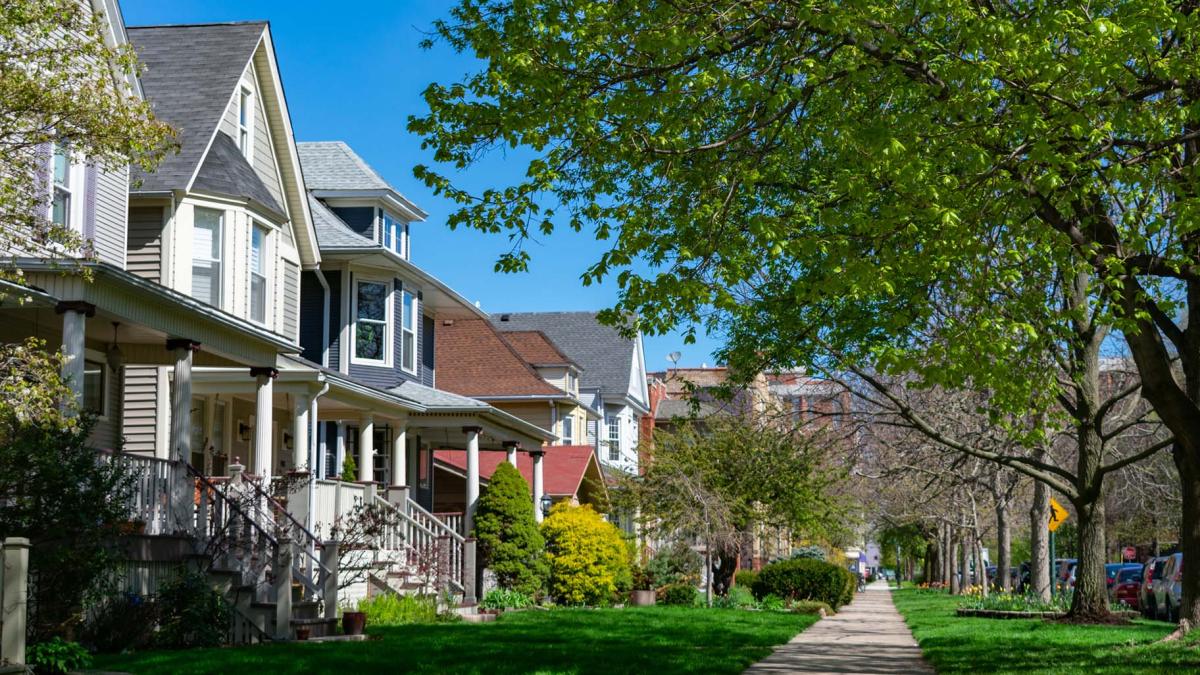 |
A row of homes in Chicago’s North Center community. (James Andrews / iStock)
|
Property taxes in Cook County soared at double the rate of inflation between 1995 and 2024, according to a new report from Cook County Treasurer Maria Pappas.
Taxing agencies — including schools, parks, libraries and cities — sent property tax bills totaling $19.2 billion in 2024, up more than 180% from the $6.8 billion taxing districts required property owners to pay in 1995, according to the report.
During the same period, inflation rose by less than 91% and average wages grew by 161%, according to a new analysis from Pappas’ research team.
Pappas, who is running for reelection as Cook County treasurer and is weighing a bid for Chicago mayor in 2027, called on state lawmakers to “pass significant tax reform and find ways for local taxing agencies to cut spending.”
More context:
The astronomical increases in property taxes came despite a state law that is designed to limit property tax increases. Elected officials “exploited loopholes” in order to boost revenue, Pappas said.
The report singles out the massive increase in property tax bills levied on properties in tax-increment finance districts, which grew by 1,000% between 1995 and 2024, according to the report.
In addition, increases approved by school districts also fueled the overall growth in property tax bills, soaring 189% between 1995 and 2024, according to the report.
“The thirst for property tax dollars comes as Illinois gives a lower percentage of money to schools than any other state and as it has cut the percentage of income taxes it shares with cities, villages and towns,” according to the report.
|
|
|
|
|
|
|
|
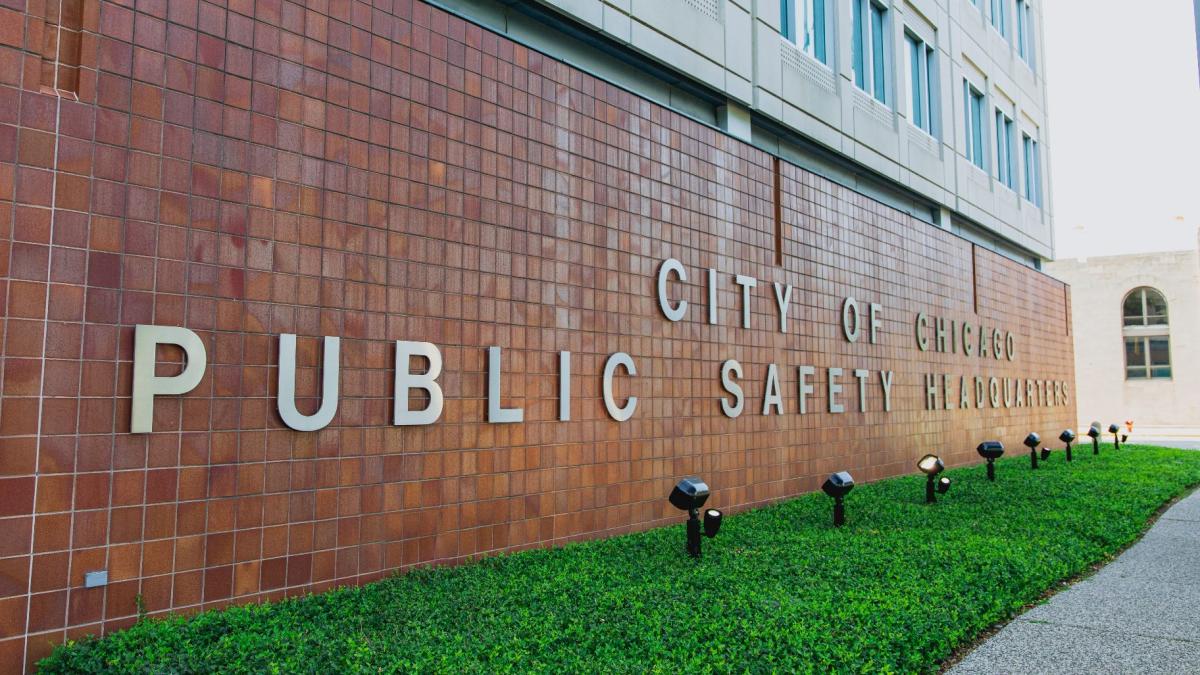 |
(WTTW News)
|
Chicago taxpayers paid $28.6 million between 2019 and 2025 to an independent team of experts on policing and reform appointed by the federal judge charged with implementing the court order that requires the Chicago Police Department to stop routinely violating Black and Latino residents’ constitutional rights, according to records obtained by WTTW News.
Appointed by U.S. District Court Judge Rebecca Pallmeyer to be her eyes and ears, the independent monitoring team, led by attorney Maggie Hickey, is charged with determining whether CPD and other city departments have complied with the requirements of the court order known as the consent decree.
The cost of the 11-member monitoring team has grown every year since 2022, when it topped $4 million, records show.
Chicago taxpayers spent $4.7 million on the monitors in 2025, records show.
More context:
The next report from the monitors is due in early April.
Chicago taxpayers must foot the bill for the monitors’ work for as long as the consent decree is in effect, according to the binding court order.
WTTW News’ analysis is the first to examine the cost of the monitors during the seven years that the consent decree has been in effect.
The city’s 2026 spending plan earmarks $15.4 million specifically to implement the consent decree, records show. In 2025, the city set aside $16.4 million for the consent decree, records show.
|
|
|
|
|
|
More From WTTW News:
|
|
 |
|
|
|
|
Back in the Day: March 30, 2011 - Cabrini-Green Fully Demolished
|
On this day 15 years ago, demolition crews knocked down the last remaining high-rise tower of the Cabrini-Green, a Chicago Housing Authority (CHA) public housing development on the Near North Side. The last remaining residents in the building at 1230 N. Burling St. had moved out in December 2010. Cabrini-Green was first built in 1942 as a series of two-story row houses and construction lasted twenty years to eventually include high-rise apartments called the William Green Homes. Named after American Saint Frances Xavier Cabrini, the development was first intended for laborers supporting the World War II effort following the teardown of a slum neighborhood nicknamed “Little
Hell.” At one time, the housing project boasted 10 sections and over 15,000 residents. The origins of the 2011 demolition began in 1997, when Mayor Richard M. Daley announced a redevelopment plan for the area.
|
|
|
|
|
This Week’s Civic Events and Meetings
|
Every Monday, WTTW News highlights the best ways to get involved with local government.
WTTW
On Monday, April 6, be the first to see Geoffrey Baer’s newest program before it airs on WTTW! Join us for a special preview of “Riding the Rails with Geoffrey Baer” at Landmark at The Glen theater in Glenview, IL. Come meet Geoffrey, snap a selfie with him, and hear behind-the-scenes stories on how the film came together. For more details and tickets, click here.
|
|
|
|
|
|
|
What's your favorite building in Chicago? Tell us why.
|
|
|
Email DailyChicagoan@wttw.com with your responses and your answers might be published.
|
|
|
|

|
|
5:30 PM | 10:00 PM
|
|
|
|
Want more WTTW News content? Follow WTTW on Instagram to check in with us daily, go behind-the-scenes, and more.
|
Newsletter Producer: Josh Terry
|
|
|
|
|