|
Today’s Daily Chicagoan is brought to you, in part, by: |
 |
|
|
|
|
We hope you had a cozy weekend. Start your Monday with these stories from WTTW News. |
|
|
|
|
|
|
 |
|
(Michael Izquierdo / WTTW News) |
|
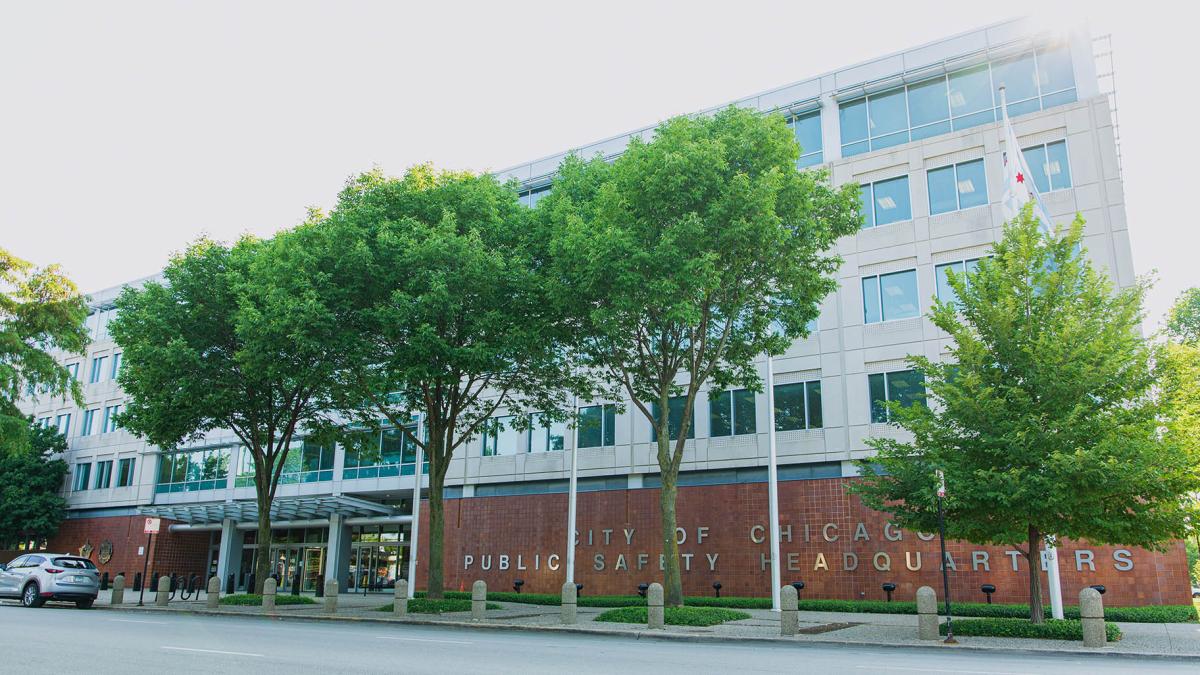
The Chicago police officer who shot a 16-year-old Chicagoan in September 2017 in what investigators ruled was an unjustified use of deadly force will not be fired, according to documents obtained by WTTW News.
In an unusual move, lawyers for the city dropped the charges that could have led to the termination of Officer Brian Collins, according to records published on Nov. 20 by the Civilian Office of Police Accountability.
A spokesperson for Corporation Counsel Mary Richardson-Lowry declined to answer detailed questions from WTTW News about why city lawyers prevented the Chicago Police Board, or an arbitrator, from deciding whether to fire Collins. Records show he shot the teen in the back of their left upper arm as they ran from police with a gun in their waistband on Sept. 7, 2017.
“As a rule, the Law Department cannot comment on specific cases,” according to a statement. “Generally, the Law Department conducts a legal review, and based on its review, determines whether charges can be brought and/or prepares written charges to be filed at the Chicago Police Board. The filing of charges formally initiates proceedings at the Board.”
Since Collins shot and wounded the 16-year-old, Chicago taxpayers have paid $591,500 to resolve four lawsuits that allege he violated the rights of other Chicagoans, according to an analysis of city data by WTTW News.
Collins, who earns $134,292 annually, was promoted to sergeant in June 2025 and works in the Near North (18th) Police District, which includes Lincoln Park and the Gold Coast, according to a statement from a CPD spokesperson.
More context:
Several Chicago officials and police accountability experts contacted by WTTW News said they were unaware of any other case where the Law Department dropped charges against an officer accused of serious misconduct before the Chicago Police Board could determine whether to fire them based on the results of a probe by the agency charged with investigating police misconduct, which is known as COPA.
It was unclear what legal authority the Law Department used to halt the disciplinary process Collins was facing from playing out as required by city ordinance.
|
|
|
|
|
|
|
Sponsor Message |
|
Make your holiday shopping extraordinary this season at Merz Apothecary, celebrating 150 years of bringing unique treasures to Chicago. Step into a world where shopping is an experience, not a chore—our knowledgeable staff are ready to help you discover hard-to-find gifts from across the globe, perfect for everyone on your list and every budget. From artisan soaps and European skincare to distinctive home goods and specialty items, we curate products you won't find anywhere else. Rediscover the joy of personalized service and thoughtful curation. This holiday season, skip the crowds and clicks—visit Merz Apothecary, where finding the perfect gift is part of the celebration. |
|
|
|
|
|
|
|
 |
|
(Joe Hendrickson / iStock) |
|
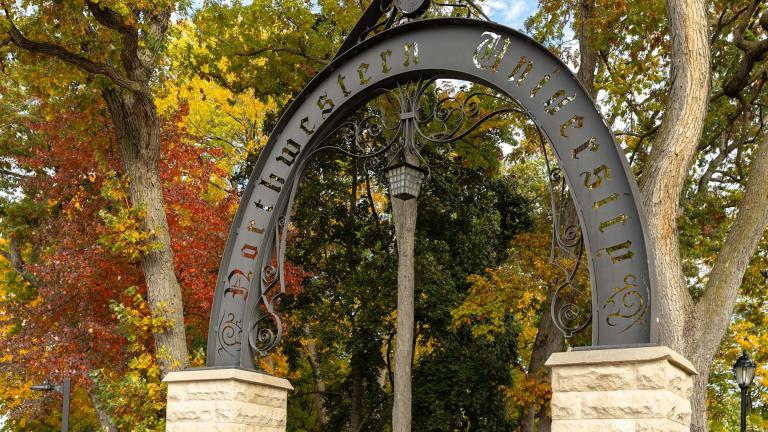
Northwestern University has agreed to pay $75 million to the federal government in a settlement. The deal with the Trump administration would restore $790 million in federal research grants that were frozen earlier this year, and end investigations on discrimination.
Students and faculty are divided on the deal, with opponents blasting it as government overreach, but Northwestern leadership insists the university will keep its autonomy.
Northwestern follows several other universities that have struck a deal with the Trump administration, such as Cornell University and the University of Virginia. The $75 million payout is the second highest from a university involved in one of these cases, after Columbia University’s $200 million settlement reached in July.
The wide-ranging deal calls for Northwestern to continue compliance with anti-discrimination laws and efforts to address antisemitism on campus. The university would have to disclose more information to the federal government on its hiring, admissions and academic practices. Northwestern would also have to uphold a commitment to Title IX, providing safe spaces and opportunities for women, “defined on the basis of sex.”
Some reaction:
“The government was right in fining Northwestern,” Lisa Fields Lewis, national chair of the Coalition Against Anti-Semitism at Northwestern, said. “There were significant gaps in protection of students and failure to follow the law.”
“I question whether this was really about antisemitism,” Jonah Rubin, an organizer with Jewish Voice for Peace, said. “They’re using Jews in order to do a project that they have always wanted to do. That has nothing to do with keeping Jews safe and everything to do with advancing a far-right antidemocratic project.”
“You can’t say, ‘Hey, we’ll give you a benefit if you just give up your constitutional rights,” Laura Beth Nielsen, a law and sociology professor at Northwestern, said. “The framework in which this is happening is an illegal use of the withdrawal of government money conditioned on us giving up our own rights and our students’ rights.” |
|
|
|
|
|
|
|
 |
|
(ESezer / iStock) |
|
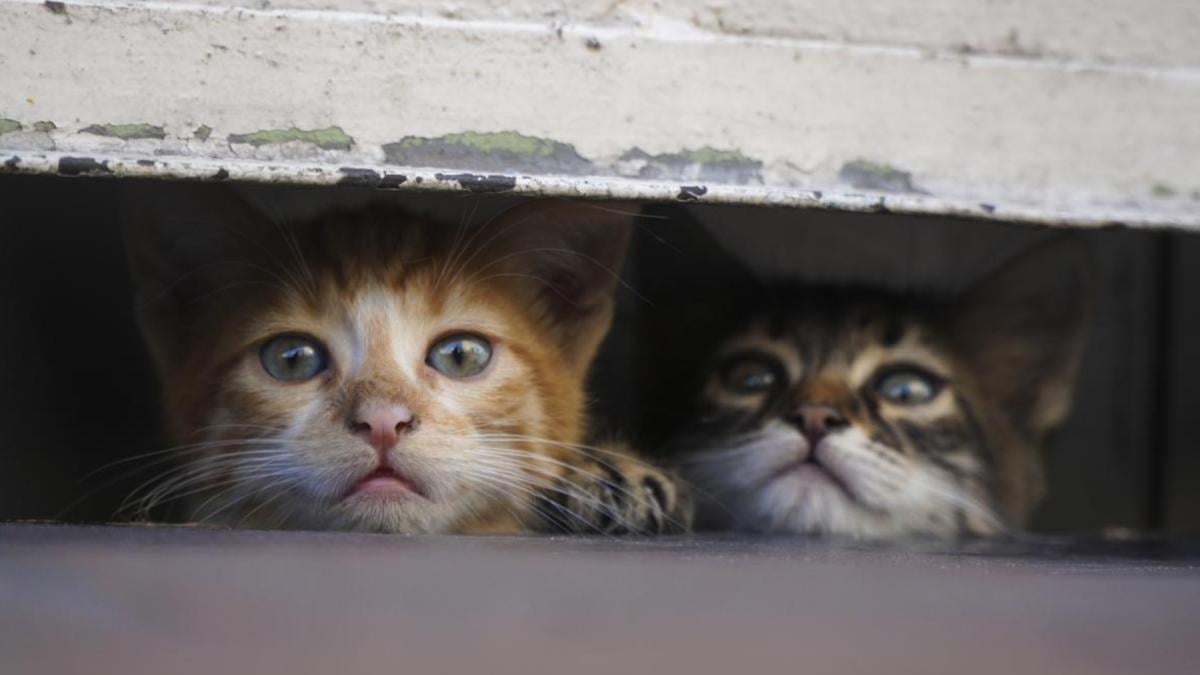
In Chicago’s war on rats, it looks like feral cats either lack a certain killer instinct or they’re extremely picky eaters, according to a new study from Lincoln Park Zoo’s Urban Wildlife Institute.
That’s probably a good thing for the cats.
Maureen Murray, a wildlife disease ecologist who heads up the institute’s Chicago Rat Project, led the research team. She undertook the study to get a better understanding of how free-roaming outdoor cats might be at risk for poisoning by anticoagulant rodenticides — the chemicals widely used to kill rats.
In recent years, there have been a number of high-profile instances of raptors — specifically bald eagles and owls — dying from the poison, not by inadvertently consuming the bait but by eating rats. Meanwhile, the rats themselves have become increasingly tolerant of the rodenticides.
The question Murray’s team posed: Are feral cats likewise likely to become collateral damage in the campaign to control Chicago’s rat population?
Initial results suggest no.
Of the 57 free-roaming cats tested in the study, only four — or just 7% — were found to have traces of rodenticide in their blood samples. The amount of rat poison was significantly less than that of other local species subjected to the same test. The study, published in the Journal of Wildlife Diseases, concluded that cats don’t consume many rats.
|
|
|
|
|
|
|
Back in the Day: Dec. 8, 2005 - Southwest Flight Slides Off Runway at Midway
|
|
On this day 20 years ago, Southwest Flight 1248 was coming from Baltimore, Maryland, and attempted to land at Midway Airport in Chicago. The runway was clear, but it was snowy, with eight inches accumulated on the ground. When the flight touched down at the airport, it skidded upon landing, and its nose gear collapsed. After breaking through a fence, the plane continued to slide and finally stopped on Central Avenue just south of 55th Street. Traffic was dense on Central Ave, and the plane hit several cars, killing a 6-year-old boy. Beyond that one fatality, there were 12 injuries in total—three on the plane and nine on the ground. In 2006, the National Transportation Safety Board blamed the “pilot’s failure to use available reverse thrust in a timely manner to safely slow or stop the aircraft after landing, which resulted in a runway overrun.” The aircraft involved, which was only a year old at the time of the incident, was repaired and remains with Southwest’s active fleet to the present day. |
 |
|
|
|
|
This Week’s Civic Events & Meetings |
|
Every Monday, WTTW News highlights the best ways to get involved with local government.
City Club of Chicago
On Monday att noon, the City Club of Chicago will host a roundtable discussion titled “Neighborhood Voices: 20 Years of Growth and Community Vision” focusing on Little Village. Speakers include Benny Estrada, senior director of street outreach at New Life Centers of Chicagoland, licensed clinical social worker Ana B. Herrera-Gonzalez, Katya Nuques, director of the McCormick Foundation’s Little Village Portfolio and U.S. Rep. Jesús G. "Chuy" García. Buy tickets here.
City Council
On Wednesday at 10 a.m., the City Council will host a regular meeting. Among the orders of business will be a vote on a proposal to ban the sale of intoxicating hemp products throughout the city. Click here for more details.
Chicago Transit Board
On Wednesday at 10 a.m., the Chicago Transit Board will hold a regular meeting at the offices of the Chicago Transit Authority. Click here for details on attending the meeting in person or virtually via live stream on YouTube. |
|
|
|
|
|
|
|
|
What’s your best advice for recent Chicagoans on how to deal with the cold weather?
|
|
|
|
Email DailyChicagoan@wttw.com with your responses and your answers might be published.
|
|
|
|
 |
|
|
|
5:30 PM | 10:00 PM |
|
|
|
|
Want more WTTW News content? Follow WTTW on Instagram to check in with us daily, go behind-the-scenes, and more. |
|
Newsletter Producer: Josh Terry |
|
|
|
|