|
Today’s Daily Chicagoan is brought to you, in part, by: |
 |
|
|
|
|
Happy Friday, Chicago. Warm up with these stories from WTTW News. |
|
|
|
|
|
|
 |
|
(Michael Izquierdo / WTTW News) |
|
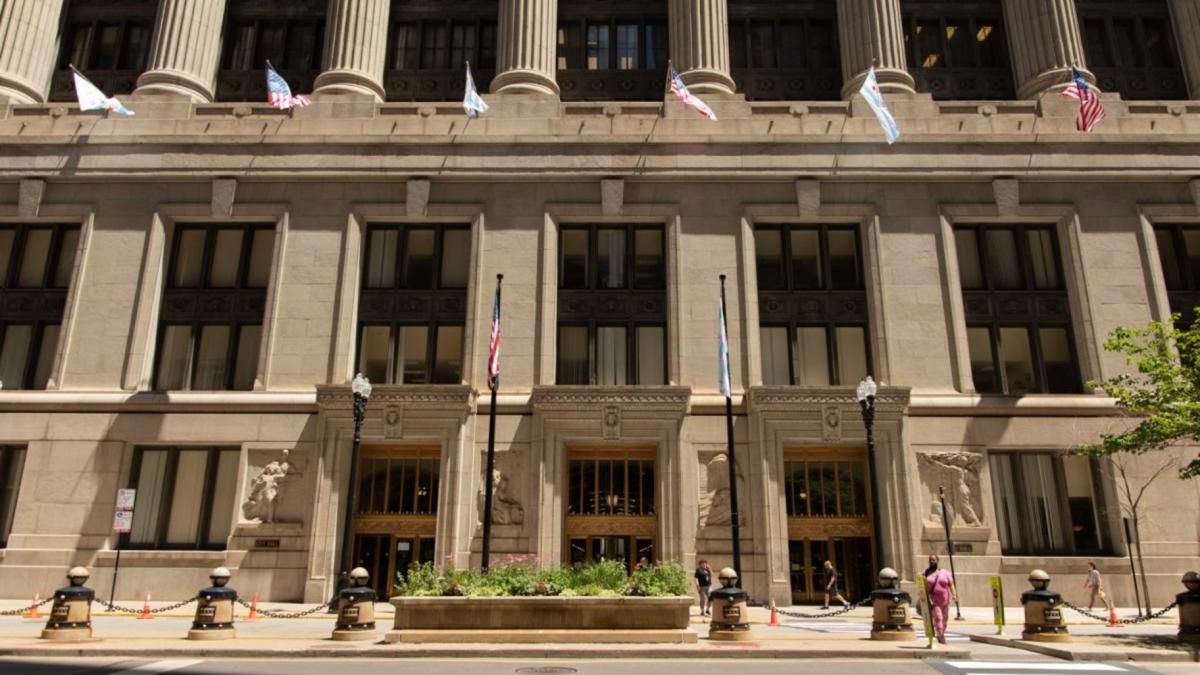
A plan to bridge Chicago’s $1.19 billion budget gap without hiking taxes on large firms endorsed by 26 members of the City Council is based on bad data and faulty assumptions that could “jeopardize the city’s financial position,” according to Chicago’s top financial officials.
While Mayor Brandon Johnson flatly rejected the plan even before it was publicly released because it would nearly double garbage fees, Chief Financial Officer Jill Jaworski, Budget Director Annette Guzman and Comptroller Michael Belsky sent a detailed 18-page response to the members of the City Council on Thursday, questioning the plan’s assumptions and defending the mayor’s plan to impose a $21 per month per employee tax on companies with more than 100 employees.
Read the full response.
The latest back-and-forth between the mayor’s office and Johnson’s critics leaves no clear path to a deal with just 26 days left before the deadline to avoid an unprecedented shutdown of city government.
Meetings of the Budget and Finance committees that had been scheduled for Monday were canceled, another sign an agreement remains out of reach.
While the letter pledges to keep negotiating over the mayor’s proposed $16.6 billion spending plan, there appears to be no common ground between the two spending plans.
A spokesperson for Ald. Nicole Lee (11th Ward), who is the lead sponsor of the alternative budget plan, did not immediately respond to a request for comment.
Read the full alternative plan.
Some backstory:
Much of the debate over Johnson’s 2026 budget, which would impose $623 million in new taxes on the wealthiest Chicagoans and largest firms, has centered on his call to reimpose the head tax to generate $100 million to fund violence prevention and youth employment programs.
While Johnson and his allies have defended the so-called head tax as the best way to continue funding the programs they credit with reducing Chicago’s homicide rate by approximately 29% and the city’s overall violent crime rate by more than 22%, opponents contend the tax will kill jobs and stifle economic growth. |
|
|
|
|
|
|
Sponsor Message |
|
Celebrate the holidays with Irving Berlin's White Christmas, on stage now at Paramount Theatre in downtown Aurora. It's the beloved story you know and love from the classic holiday movie, done with that Paramount flair that makes it an unforgettable experience. This family favorite brings generations together to celebrate the magic of the holidays. Don't miss out - get your tickets to White Christmas today! Visit ParamountAurora.com or call 630-896-6666. |
|
|
|
|
|
|
|
 |
|
(Jacob Wackerhausen / iStock) |
|
The Trump administration plans to move graduate-level nursing degrees out of their professional classification, changing how much money students in those programs can borrow. Under the changes, graduate nursing students would be limited to $20,500 in federal loans each year, with a lifetime cap of $100,000.
The proposal has drawn pushback from the nursing community, which argues the reclassification could limit students’ financial access to advanced nursing degrees.
The American Association of Nurses gathered more than 200,000 signatures from nurses and patients in a petition urging the administration to revise the changes before they take effect in July.
In a statement, Undersecretary of Education Nicholas Kent said the new definition of a professional degree will put pressure on universities to lower tuition costs. “This will benefit borrowers who will no longer be pushed into insurmountable debt to finance degrees that do not pay off,” Kent wrote.
But university officials, like Eileen Collins, dean of the School of Nursing at the University of Illinois Chicago, argue that tuition revenue is what allows schools to provide the highest-quality education possible.
“We can’t afford to do that [lower tuition] as a nursing school,” Collins said. “... The health care environment is increasingly complex, therefore the complexity of teaching students goes up. We require complex simulation laboratories, we require faculty who are at the top of their game and you can’t hire faculty at the top of their game at a very low price.”
The faculty makeup of nursing schools is also expected to change as a result of the reclassification.
Roxanne Spurlark, chief nursing administrator and interim director of the DePaul University School of Nursing, said limiting access to advanced nursing degrees could worsen the shortage of nursing educators and make nursing schools more competitive. |
|
|
|
|
|
|
|
 |
|
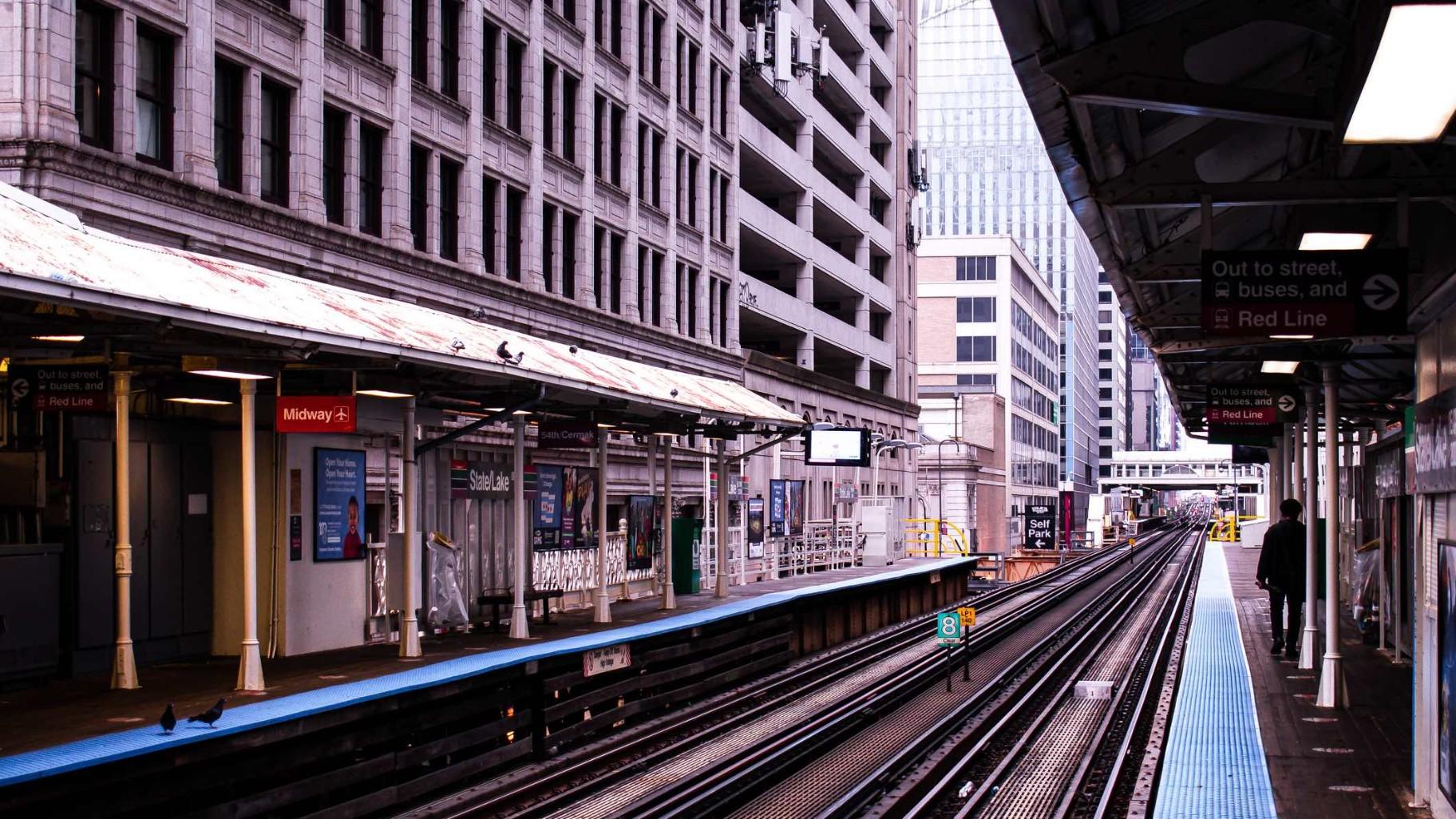
The existing 130-year-old State/Lake Loop station will close Jan. 5, 2026, for demolition. (Steve King / iStock) |
|
At 130 years old, the Chicago Transit Authority’s State/Lake Loop elevated station has had a good run, but that run is ending in January.
The station — one of the busiest in the transit system — will close Jan. 5 for demolition and reconstruction, the Chicago Department of Transportation announced Thursday.
The current dank station and its narrow, claustrophobic platform will be replaced by a modern, fully accessible station with wider platforms and a continuous canopy that will provide shade from the sun and coverage from snow, rain and wind. A flyover bridge will allow passengers to conveniently transfer between platforms.
Street-level improvements will include the removal of columns in the intersection and sidewalk bump-outs for pedestrian safety.
Loop trains will continue to operate during construction. Riders can board at nearby Clark/Lake or Washington/Wabash, and the Lake Red Line subway station will stay open as well. The new State/Lake station is slated to open in 2029.
Pedestrian and vehicle access on Lake Street will be affected by the project.
Here’s what to expect:
-
Starting Dec. 8, motorists should be prepared for intermittent closures of eastbound Lake Street between State Street and Wabash Avenue during off-peak hours.
-
Once the station closes on Jan. 5, Lake Street will be limited to local vehicles between Dearborn Street and Wabash Avenue.
-
Southbound State Street will be closed to vehicles between Wacker Drive and Washington Street. All lanes of northbound State Street will be open.
-
Much of the demolition work will take place at night, between 9 p.m. and 5 a.m.
|
|
|
|
|
|
|
Back in the Day: Dec. 5, 1853. Constable James Quinn, First Slain Chicago Cop, Dies |
|
For much of the Chicago Police Department’s history, the first officer killed in the line of duty was thought to be Patrolman Casper Lauer, who was stabbed to death in 1854 while walking a suspect to the station. Rick Barrett, a U.S. Drug Enforcement Administration officer, uncovered evidence that the first officer slain was actually Constable James Quinn. He died on this day in 1853 — 172 years ago. Quinn had been on the force nine months when he was brutally beaten by a tavern owner on Dec. 2 and Dec. 3, succumbing to his injuries two days later. While CPD never officially recognized his death as being “in the line of duty,” suggesting his death was due to a drunken bar fight off duty, Barrett’s research suggested that Quinn was there with a warrant to arrest a thief named Paul Parmilee. In 1854, Quinn’s widow was paid $50 ($2,100 in today’s dollars) by the department because her husband had been “deprived of life … in the honest and faithful discharge of his duty as an officer of the city.” Quinn’s killer, William Rees, was convicted of manslaughter and sentenced to five years in prison. In 2015, CPD recognized Quinn with a star badge in the lobby of CPD headquarters, designating him as the first officer killed in the line of duty.
|
 |
|
|
|
|
The 2025 Holiday Events Guide |
 |
|
(Brandon Tucker / Lincoln Park Zoo) |
|
Every Friday, WTTW News highlights the must-attend fairs, festivals, markets and neighborhood gatherings this holiday season.
Dec. 6: Irish Christmas in America | Old Town School of Folk Music
Lincoln Square’s Old Town School of Folk Music will host two performances Saturday (one at 5 p.m. and the other at 8 p.m.) celebrating Irish music and the holidays. Produced by the Irish fiddler Oisín Mac Diarmada, this performance promises some stellar renditions of new and old favorites.
Dec. 6-7: Christmas Sing-A-Long & Double Feature | Music Box Theatre
Head to the city’s most beloved movie theater for its annual holiday tradition of screening both “White Christmas” and “It’s a Wonderful Life.” Click the link above for showtimes and screenings.
Dec. 6-7: Chicago Vintage Festival Holiday Market | Fulton & Halsted
It’s cold but not too chilly to enjoy an outdoor (yes, bring a coat) market featuring “60+ vintage and handmade vendors.”
Dec. 11: Adults Night Out: Holidaze | Lincoln Park Zoo
Ever wanted to drink a few alcoholic beverages at the zoo without kids running around? Well, here’s your chance Saturday with “festive music, warm food and drinks, games, holiday characters and a variety of photo ops.”
|
|
|
|
|
|
|
|
|
Where's your favorite place in Chicago for holiday shopping? Tell us why.
|
|
|
|
Email DailyChicagoan@wttw.com with your responses and your answers might be published. Here's what you had to say:
"Old Orchard. I grew up in Calumet City after moving from Wicker Park, Old Orchard feels like River Oaks from the 70’s. It was the Mall of my teen years. Love the Nostalgia." — Joan S.
"Michigan Ave. in the snow!" — Sandra T.
|
|
|
|
 |
|
|
|
5:30 PM | 7:00 PM |
|
|
|
|
Want more WTTW News content? Follow WTTW on Instagram to check in with us daily, go behind-the-scenes, and more. |
|
Newsletter Producer: Josh Terry |
|
|
|
|