I have a confession to make. Sometimes, during interviews, I ask questions that I really want to know the answer to for myself.
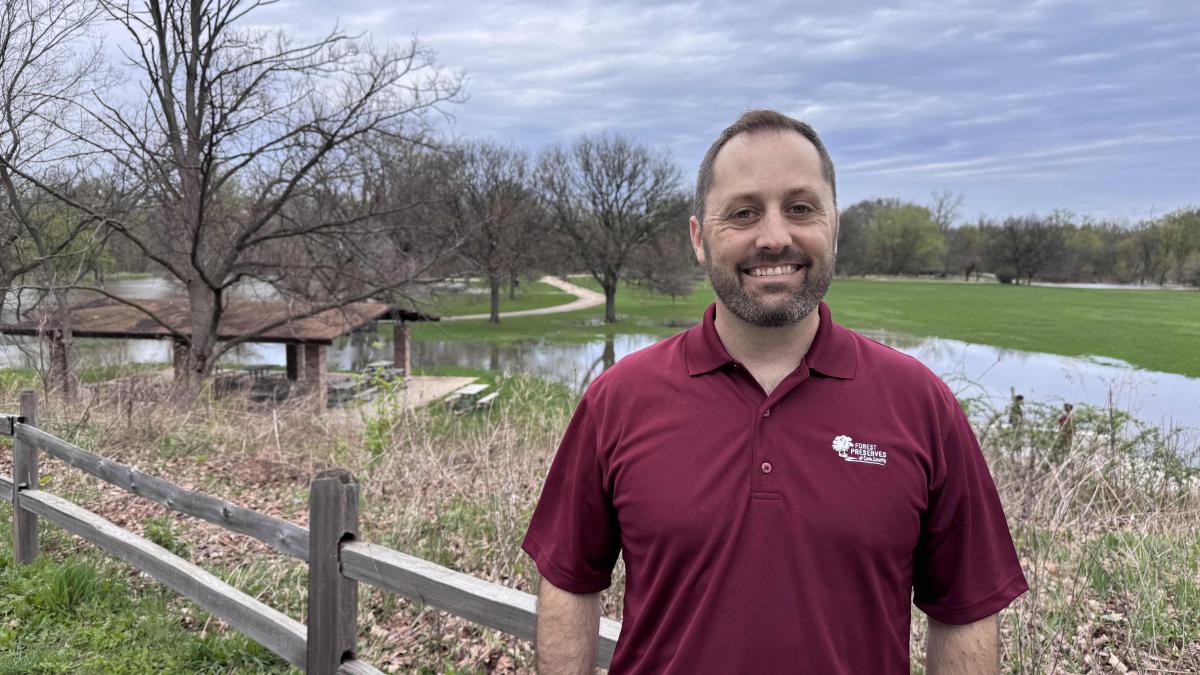
Case in point: During my recent lengthy conversation with Adam Bianchi, the new general superintendent of Cook County Forest Preserves, I wondered how he keeps from being completely overwhelmed by how degraded some of our natural areas are, and overrun with invasive species. I posed the question while we were standing in a preserve, surrounded by baby buckthorn stems. It was all I could see.
You have to zoom out, Bianchi said.
“I can’t get too worried down to the acre (level). You get down to the acre and you sort of lose perspective,” he said. “If we were up in an airplane looking down, you would actually find that there is some great diversity … between private property, park districts, parts of the forest that we have restored. So it exists on the landscape and that’s what’s really important. Diversity at the landscape scale is just as important as it is on the acre…. What we’re doing is creating a great system for nature, for habitat for wildlife, and I think that’s what we’ve got to focus on.”
|
|
Sometimes it’s better to not get lost in details. (Patty Wetli / WTTW News)
|
I found that response reassuring and it’s a mindset I’m trying to adopt. Instead of focusing on what’s wrong with a landscape, look at all that’s good.
Bianchi also had an interesting take on the concept of restoration, which is a word he said he struggles with.
“In restoration, the intent is always to bring it backwards … but it’s more about rehabilitation,” he said. “We can never fully bring it back, because we, people, have too much influence. We’re never going to be able to get it back to what it was in 1700. We have to accept that for now, this is our ecosystem and think about ‘How can we be resilient for the future?’ ‘How can we get to good health?’ and get it on the right trajectory.”
The land, Bianchi said, is resilient. It was here before us, it will be here after us. As the current stewards, our job is to set up the land for the stewards who come after us.
“It may not always be perfect and, you know, Grade-A restoration,” he said, “but we have opportunities to sustain these systems for the future.”
P.S.: Happy belated Earth Day, everyone!
|
|
|
Patty Wetli
WTTW News Digital Reporter
|
|
|
|
 |
ICYMI |
|
|
|
|
|
|
|
|
|
|
Thanks to our sponsors:
|
|
|
|
|
|
|
|
|
Clippings: News & Notes |
|
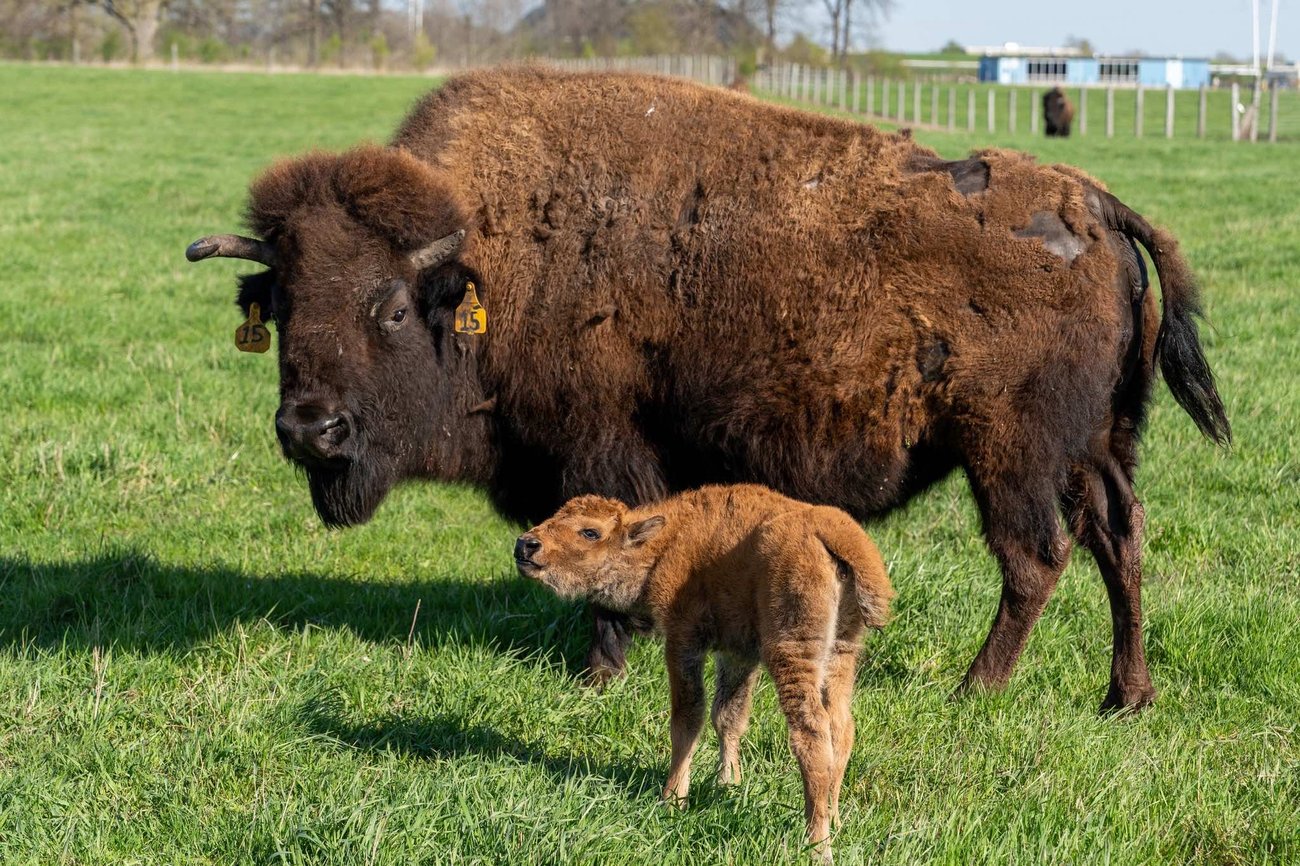
Plus one! Fermilab's bison herd welcomed its first calf this week. (Fermi National Accelerator Laboratory)
|
National: The U.S. House of Representatives was all set on Earth Day to vote on revisions to the Endangered Species Act — changes that conservationists said would have “gutted protections” for listed species — but the legislation was withdrawn at the last minute. According to Politico, growing opposition from Republican representatives created doubt as to whether the bill would pass.
National: The proliferation of mega-data centers has become a hot-button topic in communities across the U.S. CBS “Sunday Morning” recently profiled Panthalassa, a company that’s pioneering the use of floating data centers, which would be deployed in the ocean and powered by wave
action. The technology is billed as a clean alternative to building data centers on land, but the segment did not address the potential impact on marine life or ecosystems.
Great Lakes: Communities in the northern reaches of Michigan’s Lower Peninsula have been inundated with floodwaters in recent weeks, and now they’re dealing with ice sheets battering, and in some cases leveling, their homes. “They’re mini-glaciers, if you will. They just run down everything in their path,” one resident told the Associated Press. The ice sheets normally would melt in place, but floodwaters and wind have pushed them ashore.
Local: Fermilab is celebrating this week’s birth of the year’s first bison calf, with plenty more expected to arrive this spring. Last year, Fermilab’s herd welcomed 20 bison babies. The public is welcome to visit the herd, which was established at Fermilab back in 1969.
Wildcard: A rat scampered around Wrigley Field during Tuesday night’s game between the Cubs and the Phillies. Apparently it heard the Cubs pitching rotation was Swiss cheese. Ba-dum-bump.
|
|
|
|
|
Creature Feature: Blue-spotted Salamander
|
|
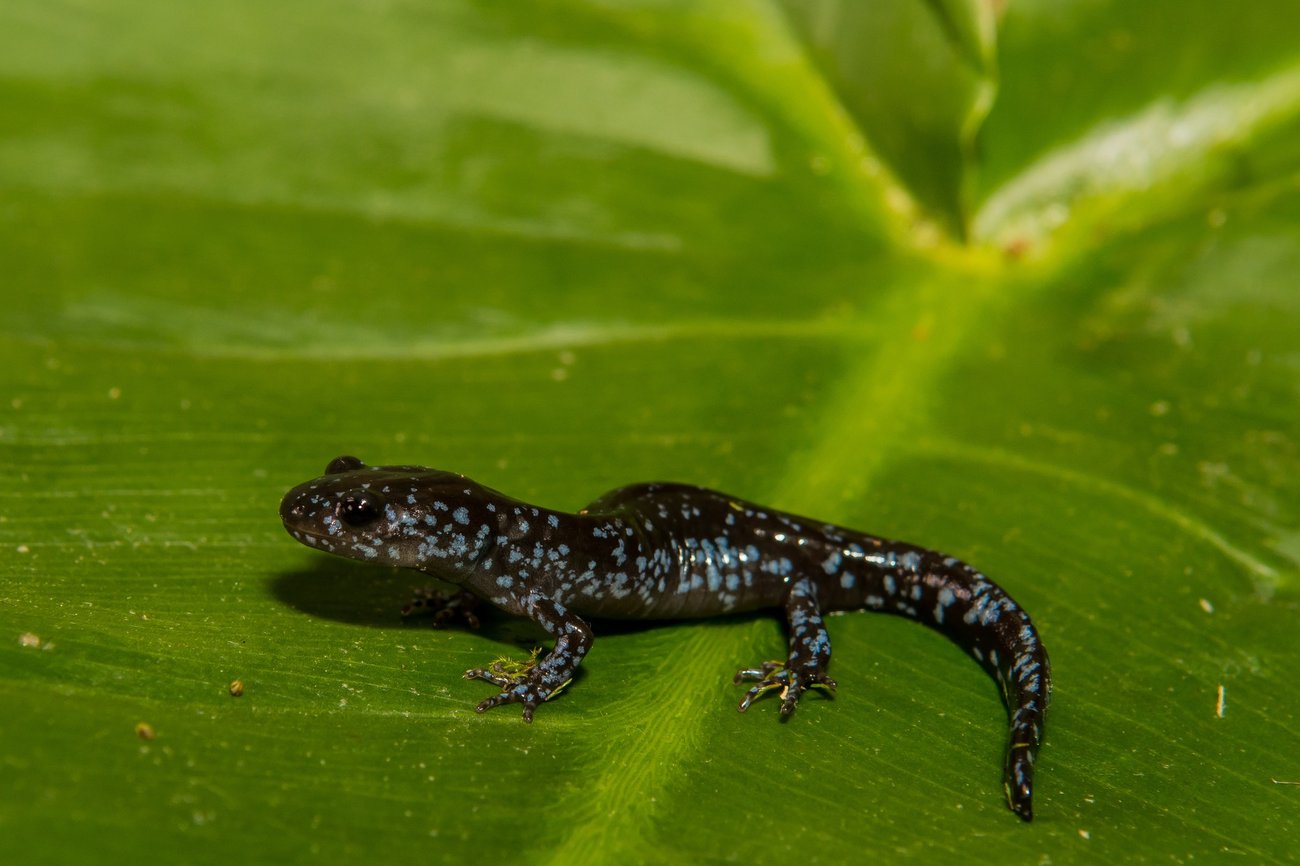
Here's a fun fact about the blue-spotted salamander: It can shed its tail as a defensive maneuver, and it will regrow. (Jason Ondreicka / iStock)
|
Openlands shared exciting news of the first-ever blue-spotted salamander sighting documented at one of its volunteer sites (though it kept the location secret). While salamanders are elusive in general, the blue-spotted is even more so, listed as a “species in need of greatest conservation” in the Illinois Wildlife Action Plan. Its range in Illinois is largely limited to the northeast corner of the state and it relies on temporary wetlands, called vernal pools, to breed.
|
|
|
|
|
WOW (Word of the Week): Silviculturalist
|
One more tidbit from my interview with Adam Bianchi: He taught me a new word. I’d never heard of a silviculturalist, which is what he called himself. It’s a specialized type of forester who manages trees to meet certain goals or objectives. If the goal of a forest is to provide healthy habitat for wildlife, for example, it would be managed differently than if recreation were the top concern. Do you need to contain the spread of an invasive pest? Is the canopy too dense? Do you need
to diversify species to adapt to climate change? One part art, one part science, silviculture uses a variety of techniques to shape a woodland’s composition.
|
|
|
|
|
Nature Calls: Events & Activities
|
|
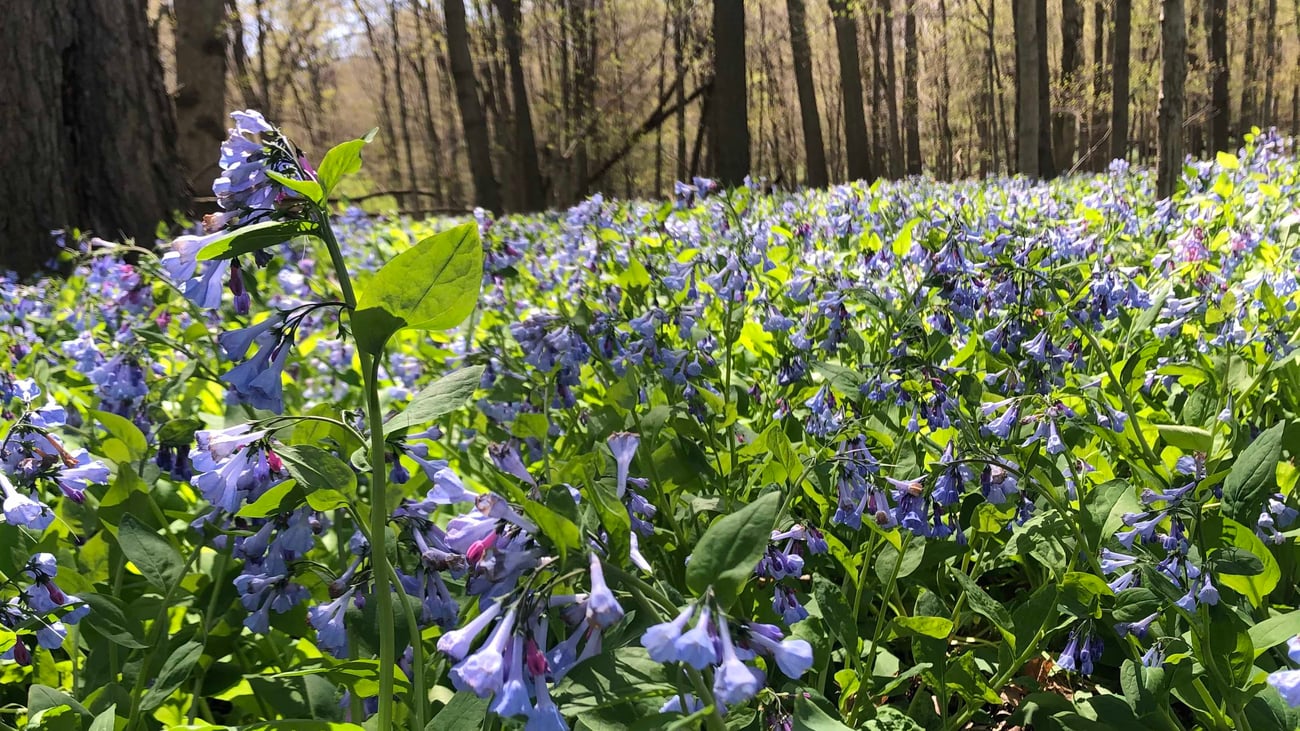
Bluebells are the latest showstopping spring blooms in area woodlands. (Patty Wetli / WTTW News)
|
We’re hitting peak spring bloom. I’ve seen reports of bluebells at Matthiessen and Starved Rock State Parks and O’Hara Woods Preserve; trout lilies (yellow and white) in McDonald Woods at Chicago Botanic Garden and crab apples around the garden’s Great Basin; redbuds at Morton Arboretum; and my personal favorite, Dutchman’s breeches, at Fullersburg Woods. Really, any woodland in the region should be putting on a show!
Earth Day activities and celebrations continue this weekend. Volunteers at Orland Grassland will be planting native shrubs along the preserve’s perimeter, 9 a.m. to noon on Saturday. RSVP if you plan to pitch in. Or check out the family-friendly Earth Day Festival at Hidden Oaks Nature Center in Bolingbrook, 2-6 p.m. Saturday. Learn about ways to reduce your carbon footprint and have some fun while you’re at it.
This sounds fun: Igor’s Bike Shack and Chicago Ornithological Society are teaming up for a birds-and-bike group ride along the lakefront, 5-7 p.m., Saturday. Meet up at Igor’s, 3650 N. Recreation Drive, at 4:45 p.m. All levels of birder and biker are welcome, no RSVP needed. Note: The
event is BYOB: bring your own binoculars.
I really dig the idea of this Plant-a-thon at North Park Village Nature Center on Chicago’s North Side. Swing by between 10 a.m. and 2 p.m., Saturday, and help the center’s staff get as many seedlings into the ground as possible in a single day. There will be food, music and plant
giveaways adding to the festivities.
Plan ahead: Chicago River Day is coming up May 9, but registration to participate in this annual stewardship event is already full at many sites. Check out locations still in need of volunteers.
|
|
|
|
|