Kick off July with these Wednesday stories from WTTW News.
|
|
|
|
|
|
 |
(hanmoohyun / Pixabay)
|
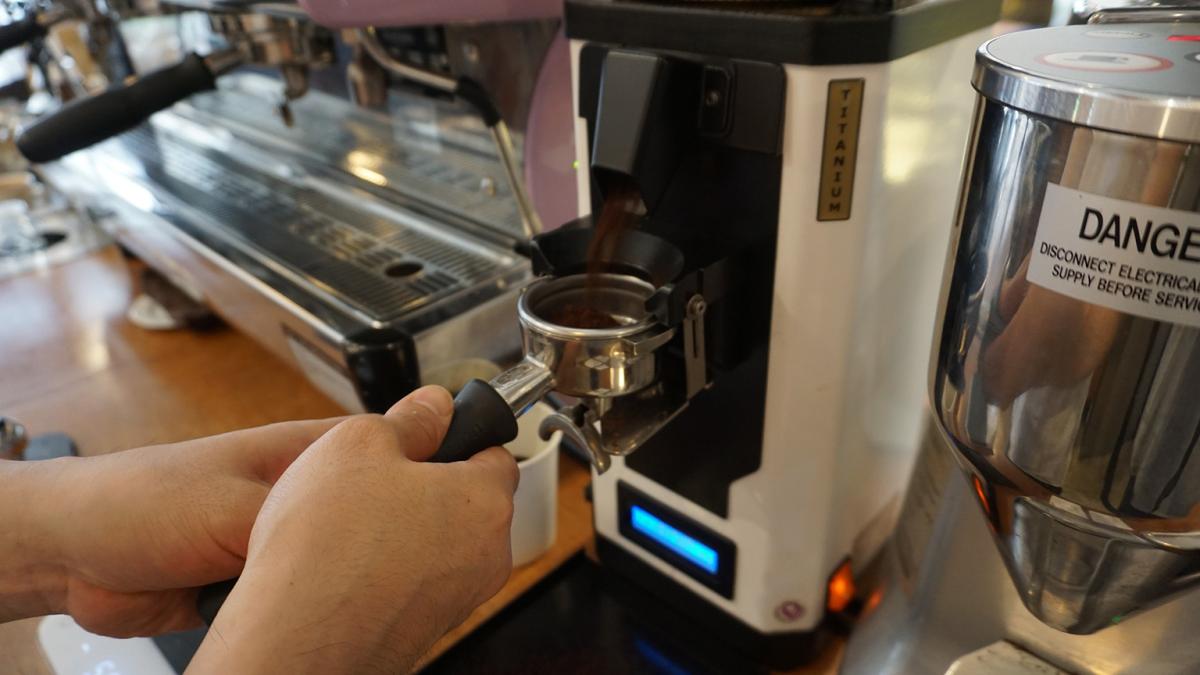
Starting today, workers earning minimum wage in Chicago and parts of suburban Cook County should see an increase as new rates go into effect.
“We encourage you to review your paycheck to ensure you’re being paid the appropriate wage,” Cook County Department of Human Rights and Ethics Executive Director Jennifer King said during a Tuesday news conference with city officials and worker advocates.
For employers with four or more workers, the minimum hourly wage in Chicago is set to increase from $16.60 to $17.05 for non-tipped workers, including domestic workers such as nannies, home cleaners and care workers. The minimum wage for tipped workers in the city, like restaurant servers and bartenders, will also increase from $12.62 to $12.96.
The overtime rates for tipped and non-tipped workers in the city and Cook County are also set to increase Wednesday.
Some backstory:
Last month, the Chicago City Council approved a measure to delay the phasing out the sub minimum wage for tipped workers by two years. In 2023, the City Council approved the “One Fair Wage” ordinance, which aimed to phase out the subminimum wage for tipped workers over a five-year period by incrementally increasing wages for tipped workers until it reaches the standard minimum wage.
Currently, for tipped-workers, if the tipped wage plus tips do not equal the minimum wage, the employer has to make up the difference to reach the full minimum wage.
In Cook County, for those 18 and older, the minimum wage for non-tipped workers will increase to $15.40/hour while the minimum wage for tipped workers is set to increase to $9.25/hour.
Municipalities within Cook County can pass their own ordinances, so not all follow the county’s minimum wage.
The county’s minimum wage applies to workers in Barrington Hills, Berwyn, Countryside, Deerfield, Dolton, Evanston, Glencoe, Kenilworth, McCook, Northfield, Oak Brook, Oak Park, Phoenix, Skokie, University Park, Western Springs, Wilmette and Winnetka.
“We wanna remind people that minimum wages are just that: the minimum amount an employer can pay you,” Arise Chicago organizer Jose Uribe said. “You can ask and fight for more.”
|
|
|
|
|
|
|
|
|
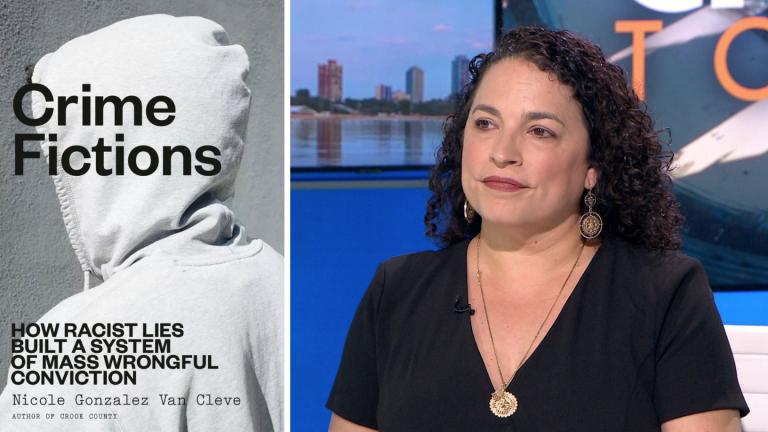
Left: The cover of “Crime Fictions: How Racist Lies Built a System of Mass Wrongful Conviction.” (Provided) Right: Nicole Gonzalez Van Cleve appears on “Chicago Tonight” on June 23, 2026. (WTTW News)
|
Cook County has been called the wrongful conviction capital of the country.
But who is giving the county this title?
In her new book, “Crime Fictions: How Racist Lies Built a System of Mass Wrongful Conviction,” author Nicole Gonzalez Van Cleve tries to answer that. She identifies cases of Black youth, some as young as 7, who are wrongfully accused and coerced into confessions.
“We often talk about wrongful conviction as though it’s an accident or a series of accidents, and what I’m trying to do in this book … is to think about wrongful conviction as a set of patterns, a systemic way of doing business by police,” Gonzalez Van Cleve said.
She set out by trying to answer how a person becomes guilty in the eyes of the police. After years of interviews, archival research and the excavation of hidden documents, she said she found that police have techniques for creating wrongful convictions.
“False confessions is the engine of wrongful convictions, but police have other ways of coercing witnesses or bringing a kid in as a witness with no lawyer, no parent present, and then changing them into a suspect and framing them as well,” Gonzalez Van Cleve said.
More context:
Illinois makes up about 15% of wrongful conviction cases nationwide, according to the book. Of the 3,831 known wrongful conviction cases in the U.S. since 1989, 581 are from Illinois, according to the latest numbers from the National Registry of Exonerations. Of those from Illinois, 150 are cases involving false confessions, according to the registry.
One explanation for the state’s high figures, Gonzalez Van Cleve said, is the local universities and dogged attorneys that help expose these cases.
“We need to be curious as Chicagoans as to why we are doing this the best. What are these techniques and can we create reforms to repair this?” Gonzalez Van Cleve said. “But the issue is, we have never really put our Chicago police in check.”
|
|
|
|
|
|
|
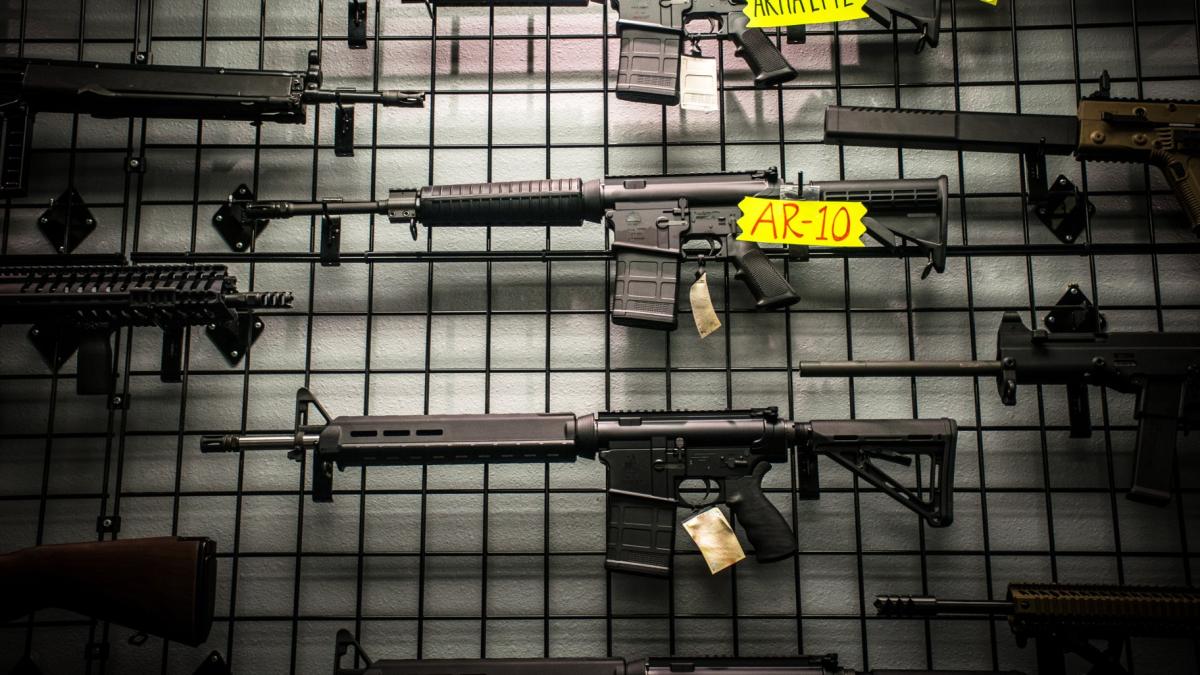 |
So-called assault weapons are pictured in a file photo. (Credit: Roschetzky / iStock)
|
The U.S. Supreme Court has agreed to hear a challenge to Cook County’s assault weapons ban.
The high court on Tuesday granted certiorari in the case brought by a pair of Cook County residents and gun rights activists who challenged the county’s existing law, which bars residents from owning, buying or transferring 125 rifles, such as the AR-15.
Cook County first adopted a local assault weapons ban in 1993, and it has been updated at least twice since then. It is now officially known as the Blair Holt Assault Weapons Ban, named after a Chicago teen who was killed in a 2007 shooting while protecting a high school classmate.
In 2018, a federal judge in Chicago upheld the law, citing a 7th Circuit decision from three years earlier upholding a nearly identical city ordinance in Highland Park. The case was appealed and in 2019, and the 7th Circuit reaffirmed its position that “bans on assault weapons and large-capacity magazines do not contravene the Second Amendment.”
The U.S. Supreme Court declined to hear an appeal of that decision.
The current challenge was filed in 2021, when the two gun rights organizations went back to court seeking to have both the Highland Park and Cook County decisions reversed. The plaintiffs include two Cook County residents, Cutberto Viramontes and Christopher Khaya.
They argue that only firearms that are “both dangerous and unusual” may be banned.
|
|
|
|
|
|
More From WTTW News:
|
|
 |
|
|
|
Back in the Day: July 1, 2011 - Death Penalty Abolished in Illinois
|
On this day 15 years ago, Gov. Pat Quinn abolished the death penalty in Illinois and commuted the sentences of all 15 inmates who had been on death row. The move closed a decades-long, statewide debate about capital punishment that had ramped up thanks to the revelation that between 1977 and 2000, Illinois had freed 13 innocent inmates, who were found to be wrongfully condemned, from death row. The state's last execution was in 1999, and it had put a moratorium on the practice in place since 2000. At the bill signing, Quinn called the move the “most difficult decision” he has made as governor and said, “I think if you abolish the death penalty in Illinois, we should abolish it for everyone.”
|
|
|
|
|
Chicago-Area Live Music Recommendations for July 1-7
|
Each Wednesday, WTTW News producer Josh Terry presents must-see live music shows from indie rock to jazz, country, hip-hop and more.
Wednesday, July 1:
Universal Togetherness Band, COTE at Empty Bottle. Tickets.
This long-running Chicago group brings the party by blending disco, soul, funk, new wave and more.
Thursday, July 2:
The Heavy Heavy, River Shook, Greyhounds, Hollyy, more at FitzGerald’s. Tickets.
American Music Festival is four days of eclectic folk, Americana and rock in Berwyn.
Soft Surface, Magical Powers, Toddo at Empty Bottle. Free.
The latest project from the prolific indie rock songwriter Cameron Wisch.
Friday, July 3:
Smut, Hollow Bastion at Kilbourn Park. Free.
The best free summer concert series is at a cozy Northwest Side park.
Orillia, Gardener at Judson and Moore. Tickets.
Two stellar bands that combine country with indie rock: one’s from Yellow Springs, Ohio and the other is a local favorite.
The Hoyle Brothers at Empty Bottle. Free.
Want a matinee show? This honky tonk residency is always on Fridays at 5:30 p.m. and always free.
Saturday, July 4:
Grant Park Orchestra at Jay Pritzker Pavilion. Tickets.
Celebrate the holiday with the “Independence Day Salute” at Millennium Park.
Dave Alvin, Lowdown Brass Band, the Deslondes, more at FitzGerald's. Tickets.
American Music Festival is four days of eclectic folk, Americana and rock in Berwyn.
Sunday, July 5:
Neal Francis, Charlie Parr, DeeOhGee, more at FitzGerald’s. Tickets.
American Music Festival is four days of eclectic folk, Americana and rock in Berwyn.
Tuesday, July 7:
Daniel Villarreal at Museum of Contemporary Art. Free.
The virtuosic percussionist and drummer in Dos Santos and Valebol plays a solo set for the museum’s “Tuesdays on the Terrance” programming.
|
|
|
|
|
|
|
What's your favorite restaurant or bar patio in the Chicago area?
|
|
|
Email DailyChicagoan@wttw.com with your responses and your answers might be published.
|
|
|

|
|
5:30 PM | 10:00 PM
|
|
|
Want more WTTW News content? Follow WTTW on
Instagram to check in with us daily, go behind-the-scenes, and more.
|
Newsletter Producer: Josh Terry
|
|
|
|
|