Today’s Daily Chicagoan is brought to you, in part, by:
|
|
|
|
|
We’re almost to the weekend. Take a minute this Thursday to catch up on the latest from WTTW News.
|
|
|
|
|
|
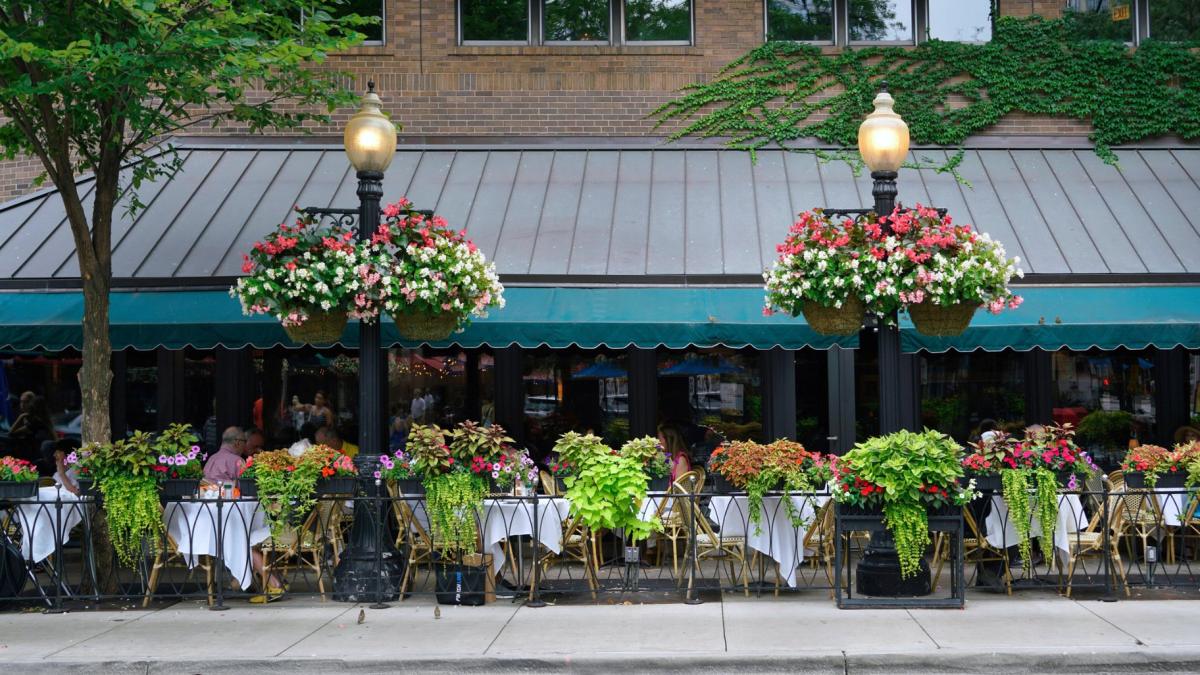 |
Diners sit outside at a restaurant on Chicago’s Rush Street in a 2022 file photo. (Peter Spiro / iStock)
|
The Chicago City Council failed Wednesday to override Mayor Brandon Johnson’s veto of a measure designed to reverse a 2023 City Council vote to phase out the tipped minimum wage, keeping one of Johnson’s major legislative accomplishments intact.
The Chicago City Council voted 30-18 on March 18 to scuttle a plan approved nearly two and half years ago to end the tipped minimum wage, sometimes referred to as the subminimum wage.
The failure of at least 34 members of the City Council to vote to reject Johnson’s action means all three of the vetoes the mayor has issued will stand. Johnson previously vetoed a measure to ban the sale of most intoxicating hemp products as well as an ordinance to expand the Chicago Police Department’s curfew powers.
Chicago restaurants must phase out the tipped minimum wage by July 1, 2028, while giving servers and other workers who earn gratuities 8% raises annually every July 1.
All Chicago businesses should be required to pay their workers the same minimum hourly wage, regardless of whether they also earn tips, Johnson has said.
Some backstory:
The mayor, who faces reelection in less than a year, cast the fight over the tipped minimum wage as a battle against those who would block Black and Latina women working in the service industry from being paid fairly.
The measure vetoed by Johnson was designed to freeze the subminimum wage at 24% of the city’s $16.60 per hour minimum wage.
Sam Toia, the CEO of the Illinois Restaurant Association, has called Johnson’s veto “misguided” and urged state lawmakers to prevent Chicago from ending the tipped minimum wage by passing a new state law.
Tipped workers must now be paid $12.62 per hour by their employers, assuming tips account for at least another $3.98 per hour.
Restaurant industry groups and supporters of the measure to keep the tipped minimum wage on the books contend that the pay raises have cut into restaurants’ already thin margins, forcing them to cut jobs and shelve expansion plans.
|
|
|
|
|
|
Sponsor Message
|
|
Life happens outside your comfort zone. Out Here, a courageous new musical at Court Theatre by Leslie Buxbaum, David J. Levin, and Erin McKeown, invites you to be among the first to experience Dawn’s journey. Torn between her husband, her family, and her ex-girlfriend Robin, Dawn must discover how to harmonize with those she loves and embrace change. Enjoy an intimate, joyful exploration of family, identity, and the choices that shape us. Out Here is on stage at Court Theatre April 10–May 10.
|
|
|
|
|
|
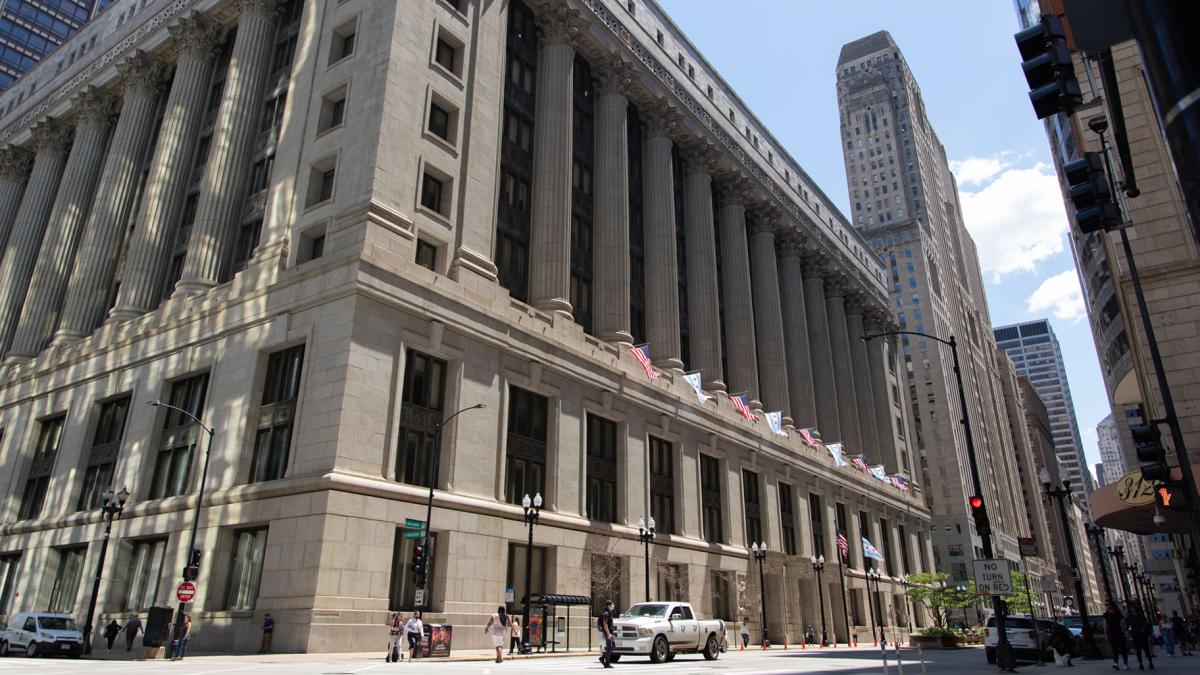 |
(Michael Izquierdo / WTTW News)
|
Just four months into the year, Chicago has spent more than $175.6 million to resolve approximately 200 lawsuits alleging Chicago police officers committed a wide range of misconduct, according to an analysis of city data by WTTW News.
The city’s 2026 budget set aside just $82.5 million for police misconduct settlements, and authorized officials to borrow an additional $283.3 million to cover the soaring cost of lawsuits alleging wrongdoing by police officers, records show.
Wrongful convictions have long been the most expensive kind of police misconduct in Chicago, and that is set to continue in 2026, records show.
The latest massive settlement, unanimously approved Wednesday by the City Council, will pay $9.5 million to Carl Reed, who spent 19 years in prison after he was wrongfully convicted of murdering a man in a North Side assisted living facility.
Taxpayers paid an additional $483,200 to defend the police officers who sent Reed to prison, including former Chicago Police Detective Richard Zuley, who was later found to have lied “in police reports and to his supervisors, physically abusing suspects and omitting exculpatory evidence from police reports,” according to court records.
More context:
Among the payments included in 2026’s tally is the $45 million paid in January to partially resolve lawsuits filed by 180 Chicagoans who spent a combined nearly 200 years in prison. They were wrongfully convicted based on what they allege was fabricated evidence gathered by former Chicago Police Sgt. Ronald Watts, who was convicted in 2013 of taking bribes, and other officers.
The city has also agreed to pay an additional $45 million before the end of the year to close the books on those lawsuits, records show.
Included in the 2026 tally is the $32.4 million taxpayers paid to two men to resolve wrongful conviction lawsuits settled by the City Council in late 2025, records show.
WTTW News’ analysis also includes the $16.1 million the City Council agreed to pay last year to settle four lawsuits, but has yet to be paid, records show.
|
|
|
|
|
|
|
|
|
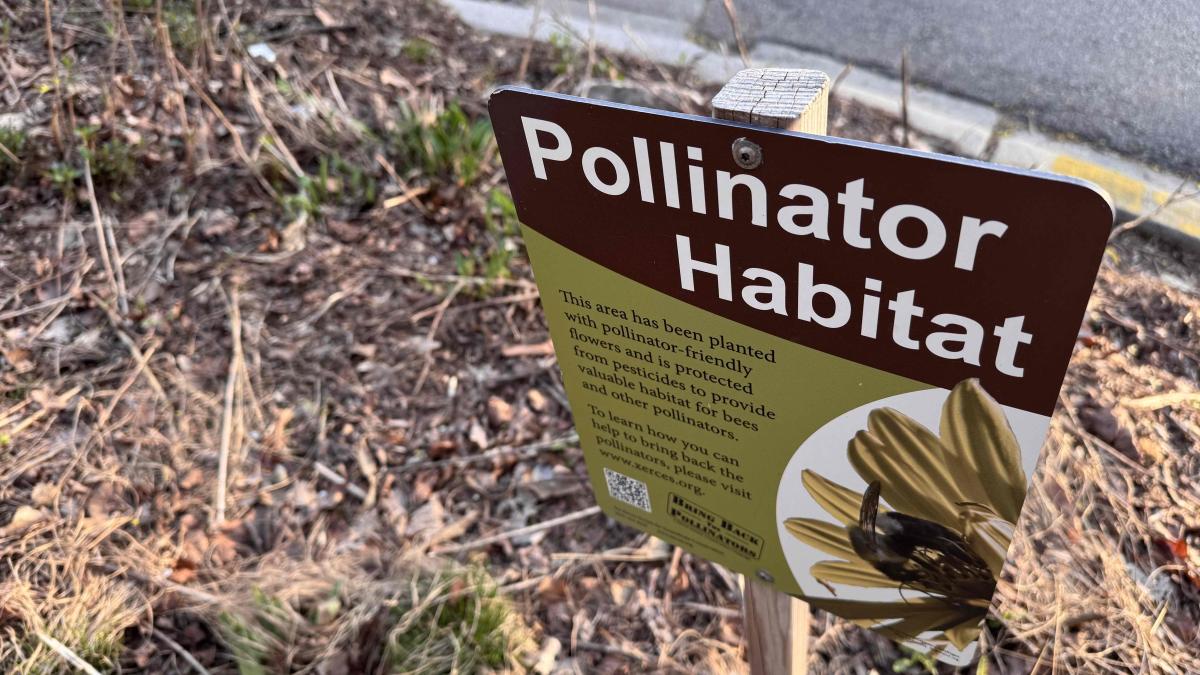
Pollinator gardens are growing in popularity, but there's more than one of creating pollinator-friendly habitat, research shows. (Patty Wetli / WTTW News)
|
Is there such a thing as a right and wrong way to garden?
It depends on who you ask.
The rise of the pollinator-friendly gardening movement — in which residential landscapes are tended to as habitat for bees, butterflies, birds and other insects — has led to something of a divide between those who advocate for “nothing but native” when it comes to plantings and those whose standards are less rigid.
The results of a new study published by researchers at the Chicago Botanic Garden suggests there's a middle ground.
“There’s this notion that the only way to attract and support pollinators in your yard is to sort of recreate a meadow, or recreate a prairie or a forest understory in your yard," said Nicholas Dorian, co-author of the study with plant ecologist Imeña Valdes. "I want to push back on that. There are many ways of creating pollinator-friendly landscapes.”
The study specifically tackled the issue of cultivars, which are greenhouse-born varieties of native plants.
Cultivars have gotten a bad rap in certain circles. And while it’s true that some varieties offer little to no value to pollinators, the Chicago Botanic Garden study showed that other cultivars are nearly as attractive to pollinators as the wild type.
As Dorian sees it, those research results don’t negate the importance of natives, which remain the gold standard. But they do create a bigger tent for gardeners to join the pollinator-friendly movement, he said.
|
|
|
|
|
|
More From WTTW News:
|
|
 |
|
|
|
|
Back in the Day: April 16, 1961 - Blackhawks Win Stanley Cup
|
Last night, the Chicago Blackhawks ended their 2025-2026 season at the bottom of the Central Division in the Western Conference. While the team is still building a formidable squad around its 20-year-old, 2024 Rookie of the Year center Connor Bedard, why not look back at better times for the franchise? On this day 65 years ago, the team, which was then stylized as the Chicago Black Hawks, won its third-ever Stanley Cup. On April 16, 1961, the Hawks defeated their rivals, the Detroit Red Wings, 5-1 at Detroit’s Olympia Stadium. The victory meant that they won the best-of-seven series 4-2. It also marked the only NHL title won by a U.S. team between 1955 and 1970. While it was
their third Stanley Cup victory, they’d have to wait until 2010 to secure their fourth.
|
|
|
|
|
This Week's Arts and Culture Events
|
Every Thursday, WTTW News newsletter producer Josh Terry highlights his picks for the week’s must-see cultural events.
One of the beautiful things about living in Chicago is witnessing the rich diversity, history and character of each pocket of the 77 community areas. I live in Ukrainian Village. It was originally populated by German immigrants in the mid-19th century, but Ukrainian immigrants and refugees have made the neighborhood what it is today. Walking down the street, I’m just as likely to hear Ukrainian as I am English. It makes me want to learn the language! This weekend, an exhibit highlighting the connection between Kyiv and Chicago is opening at the Ukrainian National Museum. It’s one event out of many that highlights our city’s rich communities, undeniable talent and resilience.
Theater: “The Great Gatsby” — Cadillac Palace Theatre
The classic F. Scott Fitzgerald book has had film adaptations, most recently in 2013 by director Baz Luhrmann, but now it’s also a musical. It premiered in 2023 at New Jersey’s Paper Mill Playhouse, and after stints on Broadway, London and Seoul, it’s now embarking on a North American tour. Its Chicago stop is a short engagement at the Cadillac Palace from April 21 through May 3. Tickets can be found here.
Art: “9025 km” — Ukrainian National Museum
The distance between Chicago and Kyiv, Ukraine, is approximately 9,025 kilometers, which is where this art exhibit at the Ukrainian National Museum gets its name. It will feature works from 12 Ukrainian American artists from Chicago who explore how these two sister cities are “united by shared spirit and resilience.” While the exhibit opened April 8 and runs through April 30, on April 17, there’s an opening event with several featured artists present. For more information, click here.
Art: Chicago Architecture Center 60th Anniversary Celebration
The Chicago Architecture Center was founded in 1966 and has been teaching curious Chicagoans the importance of design and the rich history of the city’s buildings. Whether it’s volunteer-led tours of Chicago, its river cruise or educational efforts, the CAC has been an essential part of the local cultural community. Opening in April and running until May 1 is an exhibit called “Currents: 60 Years of the Chicago Architecture Center.” If you want to check out the exhibit, click here for more information.
|
|
|
|
|
|
|
What's your favorite fancy restaurant in Chicago?
|
|
|
Email DailyChicagoan@wttw.com with your responses and your answers might be published.
|
|
|
|

|
|
5:30 PM | 10:00 PM
|
|
|
|
Want more WTTW News content? Follow WTTW on Instagram to check in with us daily, go behind-the-scenes, and more.
|
Newsletter Producer: Josh Terry
|
|
|
|
|