|
Today’s Daily Chicagoan is brought to you, in part, by: |
 |
|
|
|
|
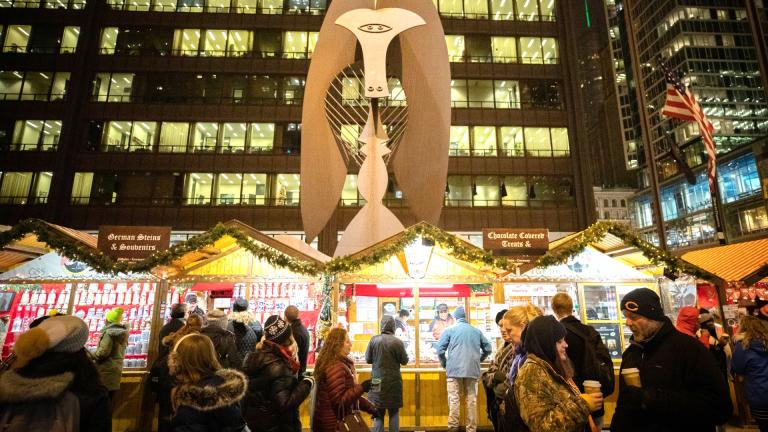
It’s Christmas Eve. We hope you have a great day and enjoy time with loved ones. |
|
|
|
|
|
|
 |
|
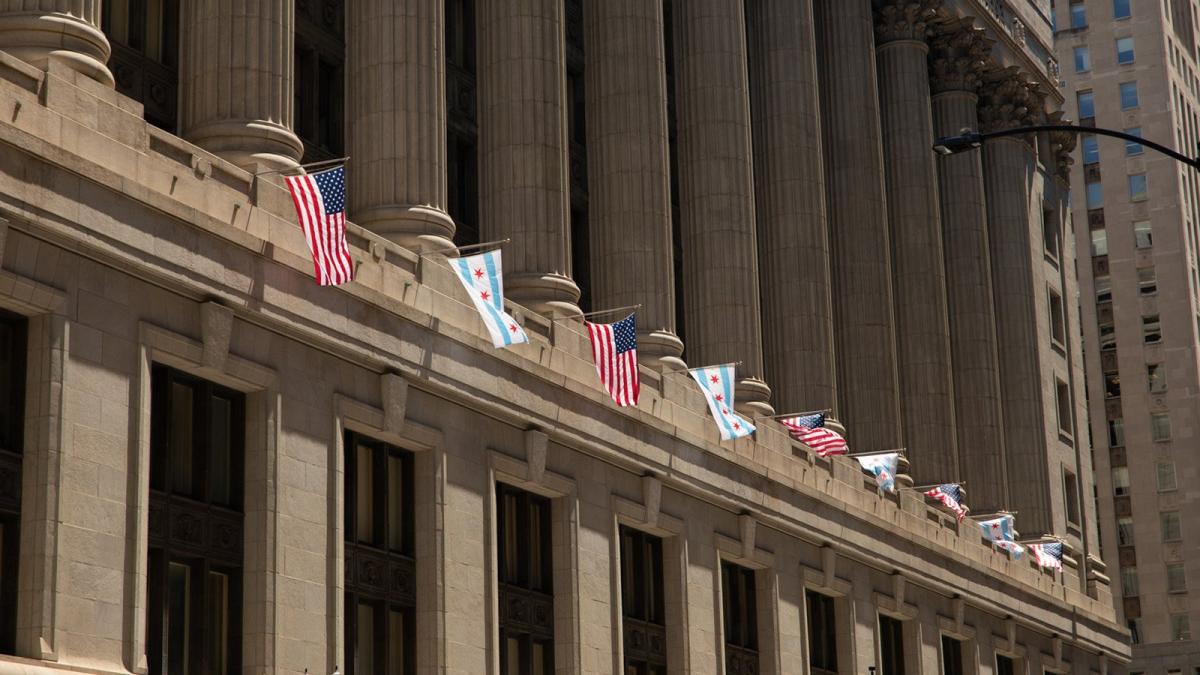
Chicago City Hall (WTTW News) |
|
Mayor Brandon Johnson said Tuesday he would allow Chicago’s $16.6 billion 2026 budget — which does not impose a per-employee tax on large firms — to take effect Jan. 1, over his objections.
Johnson’s decision not to sign the budget — but also not to veto the budget — he called “morally bankrupt” immediately averts what could have been the city’s most severe fiscal crisis in more than 40 years.
“The budget is not balanced,” Johnson told WTTW News’ “Chicago Tonight,” warning that the City Council may have to make emergency cuts to make up for revenue that does not materialize.
The decision to allow the budget to take effect was “pretty straightforward” because it makes “critical investments” that will benefit the people of Chicago without crossing any of what he called “his red lines” — no significant property tax increase, no grocery tax and no increase in garbage fees, Johnson said.
Johnson signed two executive orders that amounted to an attempt to strike parts of the spending plan. One prohibits the sale of city medical debt to private firms and sets “clear standards for transparent and stable debt collection practices” while the other puts new restrictions on the amount the Chicago Police Department can spend on overtime.
Before the Saturday vote, Johnson touted what the spending plan approved by the City Council has in common with the budget he proposed and boasted of beating back efforts to cut 5,000 jobs from the city’s summer youth program and hike the garbage tax.
“We may not have the majority of the City Council but we do have the people,” Johnson said.
Some of what the budget does:
-
Legalizes video poker and slot machines in every Chicago bar or restaurant with a liquor license
-
Raises the fee paid by shoppers who fail to bring their own bags to 15 cents each, starting Jan. 1
-
Imposes a 1.5% increase in the taxes on beer, wine and liquor sold at stores for consumption elsewhere
-
Expands the area downtown in which Chicagoans will pay more for all Uber and Lyft rides
|
|
|
|
|
|
|
Sponsor Message |
|
Winter WonderFest is back December 5-January 4 at Navy Pier! Explore the ultimate indoor holiday experience with thrilling rides, giant slides, dazzling décor, and ice skating that the whole family can enjoy. Plus, every ticket includes a ride on the iconic Centennial Wheel for unforgettable views of the Pier's holiday light displays. Whether you’re planning a family outing, hosting visitors, or creating new holiday memories, WinterWonderFest has something for everyone. Don’t miss the magic. Get your tickets today at navypier.org! |
|
|
|
|
|
|
|
 |
|
The Supreme Court Building, currently under renovations, is pictured in Washington, on Dec. 8, 2025. (AP Photo / J. Scott Applewhite) |
|
The Supreme Court on Tuesday refused to allow the Trump administration to deploy National Guard troops in the Chicago area to support its immigration crackdown.
The justices declined the administration’s emergency request, which was filed more than two months ago, to overturn a ruling by U.S. District Judge April Perry that had blocked the deployment of troops. An appeals court also had refused to step in.
“At this preliminary stage, the Government has failed to identify a source of authority that would allow the military to execute the laws in Illinois,” the court wrote in its ruling. “The President has not invoked a statute that provides an exception to the Posse Comitatus Act.”
The order is not a final ruling but it could affect other lawsuits challenging President Donald Trump’s attempts to deploy the military in other Democratic-led cities. The outcome is a rare Supreme Court setback for Trump, who had won repeated victories in emergency appeals since he took office.
Reaction:
Gov. JB Pritzker hailed the ruling as a “big win for Illinois and American democracy,” saying it’s an important step in curbing the Trump administration’s “consistent abuse of power and slowing Trump’s march toward authoritarianism.”
Justice Samuel Alito, who dissented the ruling, along with Clarence Thomas and Neil Gorsuch, wrote that the court had “unnecessarily and unwisely departed from standard practice.”
“On top of all this,” Alito wrote in his dissenting opinion, “the Court fails to explain why the President’s inherent constitutional authority to protect federal officers and property is not sufficient to justify the use of National Guard members in the relevant area for precisely that purpose.” |
|
|
|
|
|
|
|
|
|
 |
|
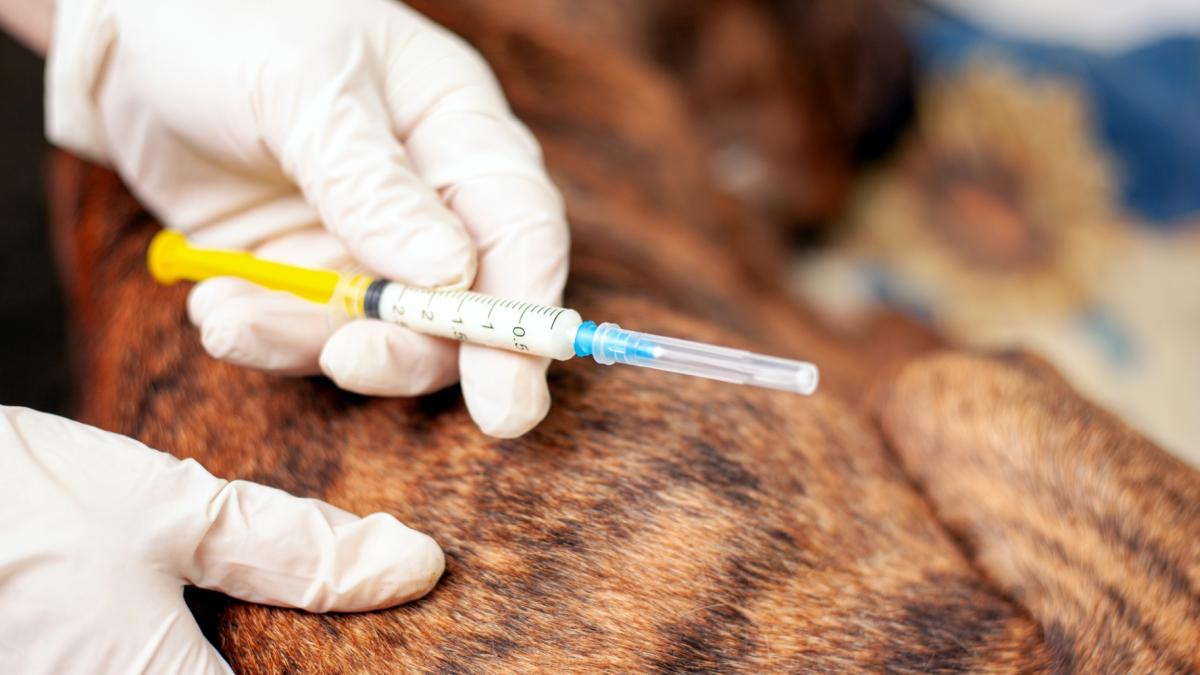
(Roman Budnyi / iStock) |
|
A case of rabies was confirmed in a Chicago dog, making it the first rabies-positive dog identified in Cook County since before 1964, the Cook County Department of Animal and Rabies Control announced Tuesday. Before testing positive, the dog was surrendered to a local rescue and euthanized after the dog had a “marked” change in behavior on Dec. 16, according to a news release. Rabies was confirmed through lab testing on Dec. 19.
The dog was born in Georgia, traveled to a Chicago rescue, was vaccinated for rabies in June and adopted by a Chicago family, according to the department. No known exposures to rabies occurred in Chicago. The Chicago Department of Public Health is reviewing how a vaccinated dog contracted rabies and will share findings as they become available. The time from rabies exposure to infection in people or animals can range from weeks to more than one year.
|
|
|
|
|
|
|
|
|
What's your favorite thing about the holidays in Chicago? |
|
|
|
Email DailyChicagoan@wttw.com with your responses and your answers might be published. |
|
|
|
|
Want more WTTW News content? Follow WTTW on Instagram to check in with us daily, go behind-the-scenes, and more. |
|
Newsletter Producer: Josh Terry |
|
|
|
|